
A Complete Guide for Timber Merchants in Kolkata: Compliance, Sustainability & Growth
Operating a timber business in Kolkata requires more than commercial expertise — it demands regulatory awareness, environmental responsibility, and structured industry engagement.
This practical guide outlines key areas every timber merchant should focus on.
1️⃣ Regulatory & Legal Compliance
Timber businesses must ensure adherence to:
-
GST and taxation regulations
-
State forestry and environmental laws
-
Trade licensing requirements
-
Transport documentation norms
Regularly updating compliance processes reduces legal risks and builds long-term business credibility.
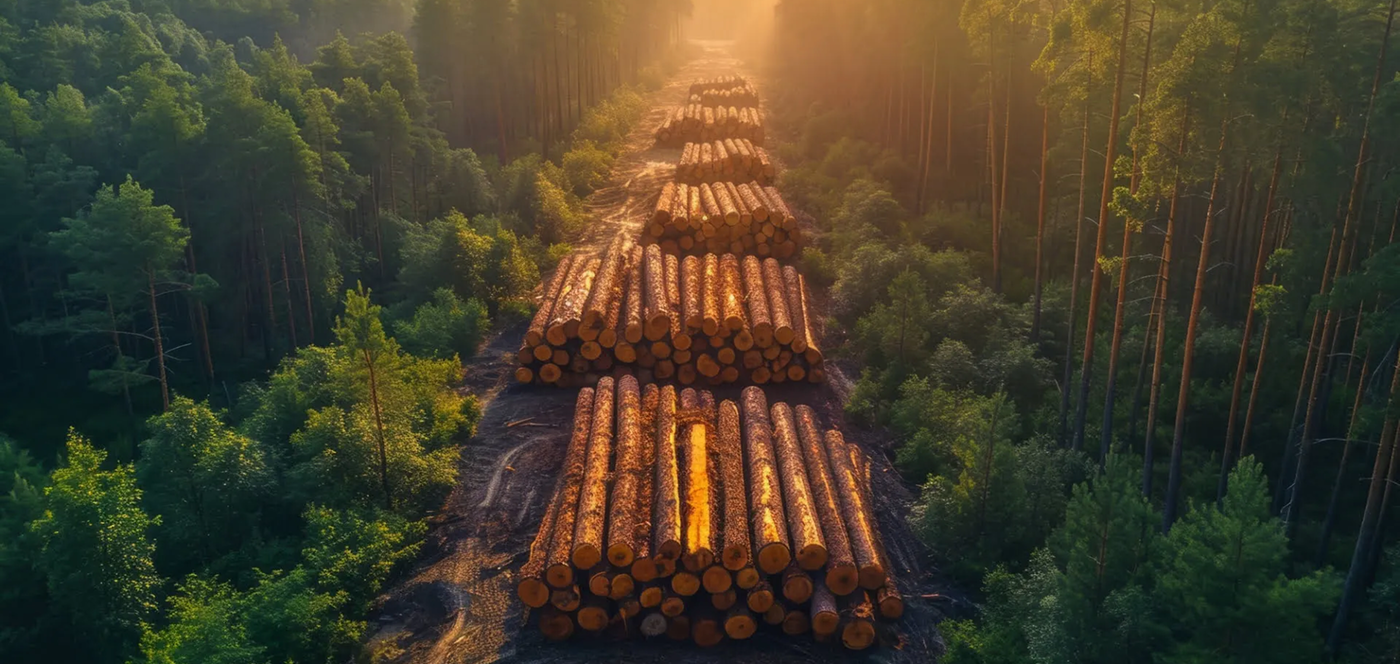
2️⃣ Sustainable Timber Sourcing
Responsible sourcing is critical for long-term industry growth. Merchants should:
-
Source timber from legally approved suppliers
-
Maintain proper documentation of origin
-
Follow environmental guidelines
-
Avoid illegal or unverified supply chains
Sustainable practices enhance brand reputation and regulatory trust.
3️⃣ Risk Management & Crisis Preparedness
Fire incidents and operational risks remain significant concerns in timber markets. Merchants should:
-
Maintain adequate insurance coverage
-
Follow fire safety protocols
-
Keep updated documentation
-
Stay connected with industry bodies for support
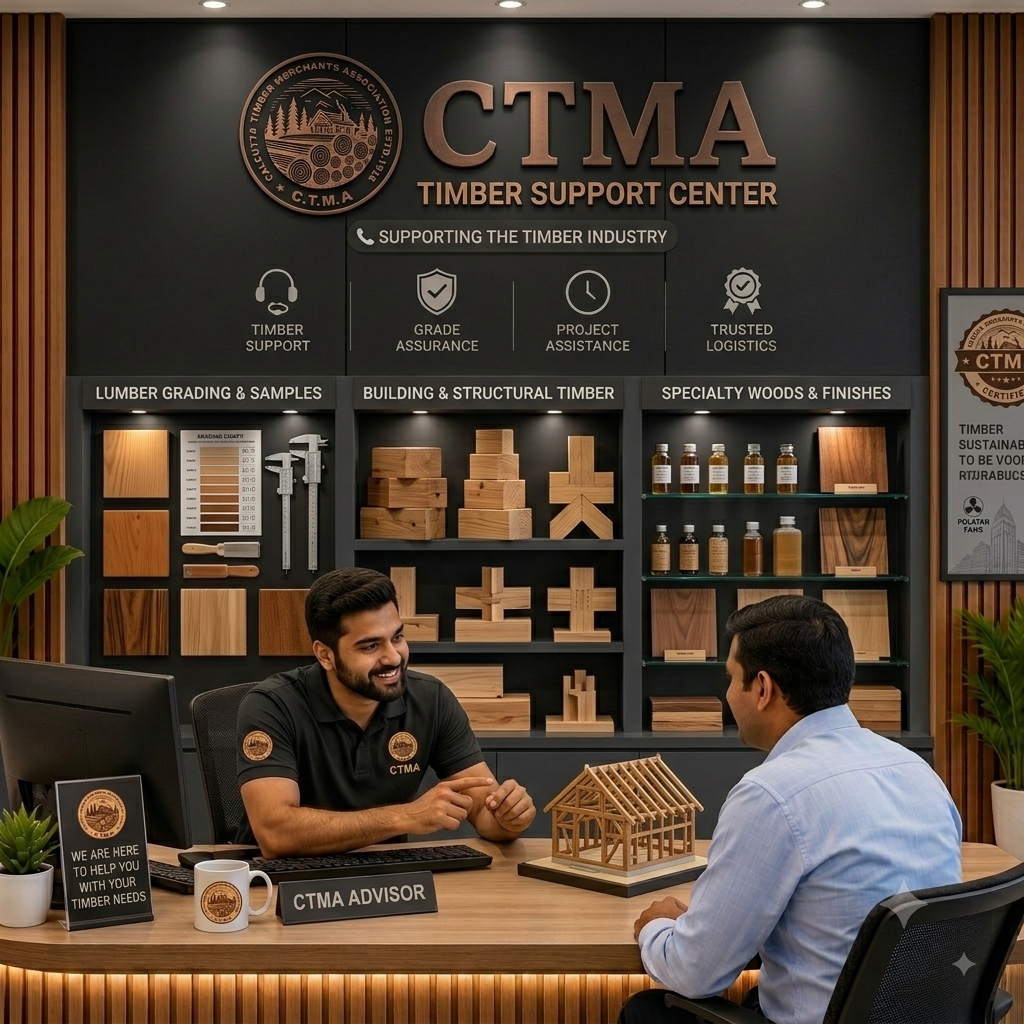
Industry associations like CTMA play an important role during crisis coordination and representation.
4️⃣ Modern Business Practices
Digitization is transforming traditional timber trading. Adopting digital accounting, structured inventory management, and proper record-keeping improves efficiency and compliance readiness.
5️⃣ Industry Networking & Collective Strength
Being part of a recognized trade association strengthens credibility and ensures representation during policy or regulatory challenges. Collective voice is more effective than individual advocacy.
Conclusion
The timber industry in Kolkata continues to evolve under regulatory, environmental, and economic shifts. By focusing on compliance, sustainability, and structured representation, timber merchants can build resilient, future-ready businesses.
Industry unity, responsible trade practices, and proactive governance are the foundation of sustainable growth.

Together We Make a Difference in
Our Community
Make an Impact
Submit Your Query/Feedback
Share your details below —our team will connect with you soon!
Be Part Of The Movement To
Restore Earth’s Natural Balance.
Get in Touch for Expert Garden Today!
Call: (+91) 984 503 7766
Email: ktiamanglore@gmail.com
Address: Mangalore - 575010