
The Evolution of Timber Trade in Kolkata: From Legacy Markets to Modern Governance
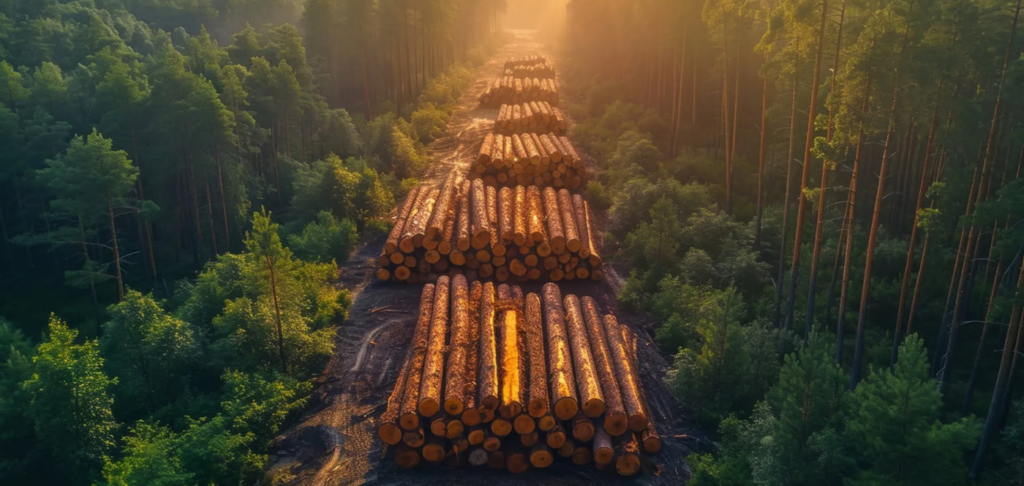
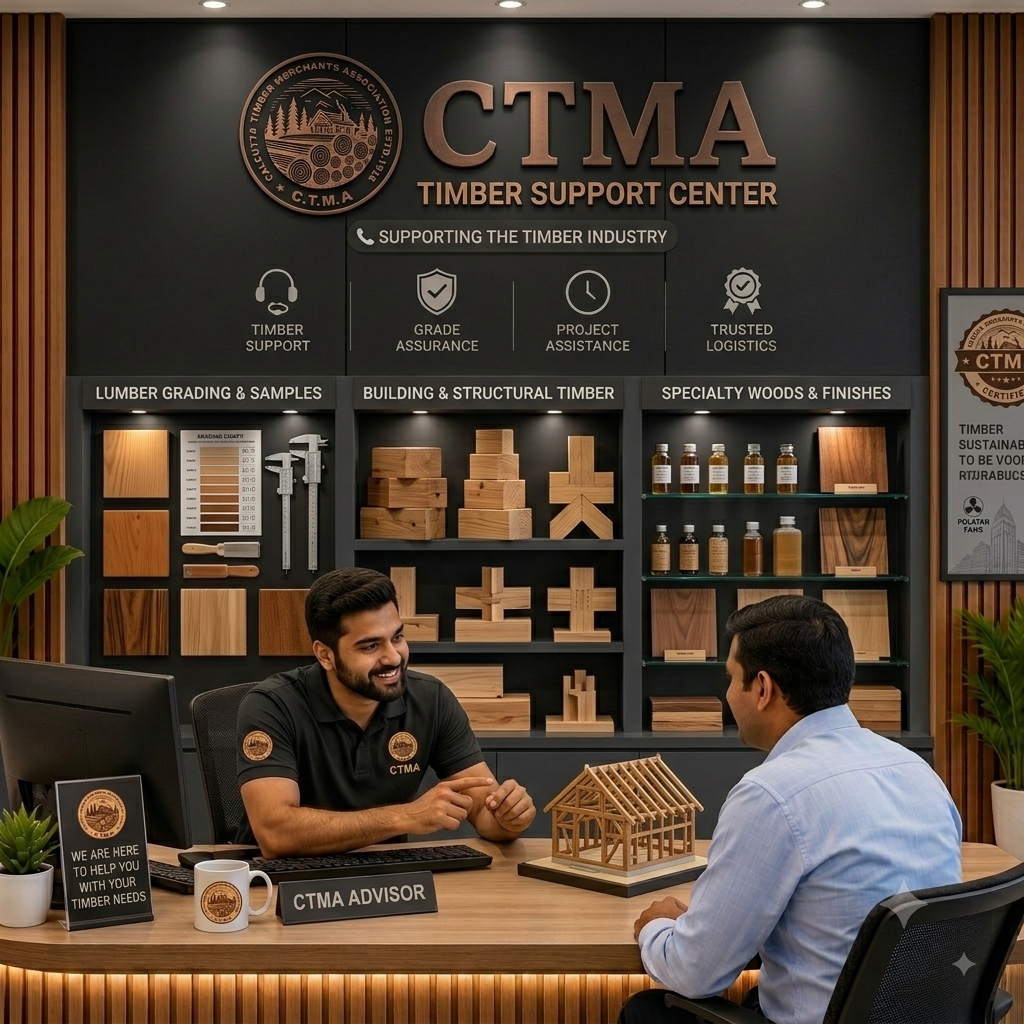
Kolkata has long been one of India’s most important timber trading hubs. For decades, the city’s timber merchants have played a critical role in supplying raw materials for construction, furniture manufacturing, infrastructure, and allied industries across Eastern India. At the heart of this ecosystem stands the Calcutta Timber Merchants Association (CTMA), established in 1935 to unify and strengthen the timber trade community.
A Historic Foundation
The timber trade in Kolkata developed around traditional market clusters, where wholesalers, saw mills, and suppliers operated within close-knit business networks. Over time, increasing regulations, environmental policies, and taxation reforms transformed the way timber businesses functioned. The need for structured representation became essential.
CTMA emerged as the collective voice of timber merchants, ensuring fair policies, regulatory clarity, and industry stability.
Modern Challenges in the Timber Industry
Today, timber merchants face multiple challenges:
-
GST and taxation compliance
-
Environmental and forestry regulations
-
Sustainable sourcing requirements
-
Increasing global competition
-
Digitization and modern business practices
Through policy advocacy, compliance guidance, and industry collaboration, CTMA bridges traditional business values with modern governance standards.
Sustainability & Responsible Growth
The future of the timber trade depends on balancing commercial growth with environmental responsibility. Responsible sourcing, legal compliance, and transparent trade practices are no longer optional — they are essential for long-term survival.
By promoting ethical trade and sustainable practices, CTMA ensures that the timber industry in Kolkata remains competitive, credible, and future-ready.
Looking Ahead
As the timber sector continues to evolve, industry unity remains its strongest asset. With nearly nine decades of legacy, CTMA continues to guide, protect, and strengthen the timber ecosystem in West Bengal and beyond.
Together We Make a Difference in
Our Community
Make an Impact
Submit Your Query/Feedback
Share your details below —our team will connect with you soon!
Be Part Of The Movement To
Restore Earth’s Natural Balance.
Get in Touch for Expert Garden Today!
Call: (+91) 984 503 7766
Email: ktiamanglore@gmail.com
Address: Mangalore - 575010